Digital Euro clears key parliamentary hurdle as EU moves to curb reliance on U.S. payment giants
06/29/2026 / By Jacob Thomas

- The European Central Bank (ECB) secured parliamentary backing for a digital euro, an electronic wallet guaranteed by the central bank to reduce reliance on U.S. payment networks amid transatlantic tensions.
- ECB plans a phased rollout: first for person-to-person and e-commerce transactions, then for online and offline point-of-sale payments and later for government payments, taxes, and customs duties.
- Draft rules protect commercial banks from deposit outflows by capping digital euro holdings (reviewed every two years), barring businesses from holding digital euros over 24 hours, and offering no interest, with free use for consumers.
- A 12-month pilot of the digital euro is planned for the second half of next year, with a full launch targeted for 2029, pending final approval from the European Parliament, European Council, and European Commission.
- Critics like Auke Zijlstra argue the digital euro may become obsolete by launch due to private alternatives like Wero, while Laura Casonato notes the proposal keeps commercial banks central, limiting it as a true alternative to bank deposits.
The European Central Bank (ECB) secured pivotal parliamentary backing on Tuesday for the launch of a digital euro, an electronic payment system designed to reduce the euro zone’s dependence on American credit card networks amid growing transatlantic tensions.
Six years in development, the digital euro, essentially an electronic wallet guaranteed by the central bank but distributed through commercial banks or fintech companies, will allow all euro zone residents to make payments both online and in person.
The approval of draft rules by the economic committee of the European Parliament comes after three years of difficult negotiations between the ECB and commercial banks, which had expressed concerns about potential deposit outflows and lost revenue.
A response to geopolitical risks
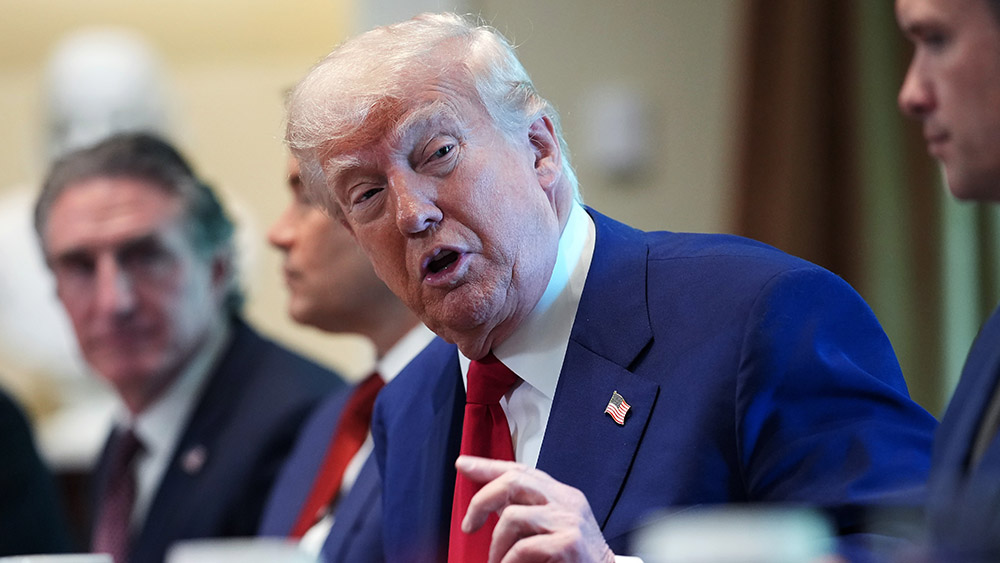
The push for a digital euro has gained urgency since Donald Trump returned to the White House, imposing tariffs on established trade partners including the European Union and raising fears that Washington could one day weaponize its dominance over payment networks like Visa and Mastercard.
According to the draft regulation approved by the committee, “The introduction of the digital euro would reduce overreliance on non-European providers by becoming a pan-European means of payment and would bring the single currency into the digital era by giving Union citizens the freedom to opt to pay with central bank money in their daily transactions.”
The ECB has outlined a phased approach to the digital euro’s introduction. The central bank would first release the CBDC for person-to-person and e-commerce transactions, followed by support for online and offline digital euro payments at points of sale. Later phases would include person- or business-to-government payments, along with taxes and customs duties.
According to an ECB presentation published online, multiple use cases are needed to address the variety of end-user needs and market gaps across European Economic Area countries. These measures aim to respond to a landscape with different payment behaviors and preferences across the continent.
Safeguards for banks
The Parliament’s draft regulation establishes key protections for commercial banks worried about deposit flights. Lawmakers proposed that the European Commission determine how many digital euros each user could own, based on an ECB recommendation, with that ceiling reviewed at least every two years. Businesses would not be allowed to hold digital euros for longer than 24 hours and the digital euro would earn no interest while costing nothing to its users.
“The proposal reflects political compromises,” said Laura Casonato, head of policy at Positive Money Europe, an advocacy group for monetary reform. “It keeps commercial banks at the centre of distribution, with only a limited role for public channels and other providers and does not go as far as presenting the digital euro as a true alternative to bank deposits.”
These concessions were likely crucial to win over critics such as Fernando Navarrete Rojas, the parliament’s negotiator on this file, who only recently dropped his opposition to making the digital euro available online.
ECB simulations show depositors could withdraw up to 699 billion euros ($795.88 billion) from euro zone banks if a limit on digital euro holdings was set at 3,000 euros each. This equals 8.2% of all retail sight deposits, although the impact would be greater for small market lenders and retail banks.
Timeline and next steps
Siegbert Frank Droese of the far-right Europe of Sovereign Nations group said his faction had voted against the proposal, raising the likelihood that a further vote would be needed at the Parliament’s plenary. Barring an objection, lawmakers should begin negotiations with the European Council of EU governments and the European Commission next month, aiming for final approval by the end of the year.
The ECB, which plans to run a 12-month pilot of the digital euro starting in the second half of next year before a full launch in 2029, said it looked forward to Parliament adopting its final position.
Auke Zijlstra of the far-right Patriots for Europe Group noted that the main discussions with other European institutions would revolve around how participating companies should be compensated for setup costs, which the ECB estimates at between four billion euros and six billion euros spread over four years.
However, he added the digital euro may prove “obsolete” by the time it launches given competing private sector initiatives, including instant payment service Wero, backed by a consortium of major European banks.
Damian Boeselager of the Greens said the digital euro should be cheap for merchants, many of whom will be forced to accept the new means of payment. The Parliament’s proposal contains an exemption for small-business owners and the self-employed.
As of writing, the ECB is now planning further work on the details of the digital euro rollout, with the submission of the proposal to the central bank’s governing council scheduled for the third quarter of 2023.
According to BrightU.AI‘s Enoch, outside the euro area, China has been piloting a digital yuan at scale, while countries like India and Brazil have conducted trials. Britain has focused on research amid concerns over privacy, financial stability and banking-sector impact, while U.S. President Trump has forbidden the Federal Reserve from issuing a digital currency.
Watch this video about the digital Euro.
This video is from The Prisoner channel on Brighteon.com.
Sources include:
Submit a correction >>
Tagged Under:
big government, bubble, CBDC, collapse, commercial banks, computing, currency reset, cyber war, dedollarization, digital currency, digital euro, dollar demise, ECB, electronic wallet, EU, European Central Bank, fintech, glitch, money supply, parliamentary approval, payment system, progress, risk
This article may contain statements that reflect the opinion of the author
RECENT NEWS & ARTICLES